Clear braces use ceramic brackets rather than conventional stainless steel brackets. The material is selected to appear translucent or to coordinate with the shade of the teeth, helping the braces blend more naturally when you speak or smile.
The brackets are bonded to the front surfaces of the teeth and connected by an orthodontic wire. Small adjustments to the wire and supporting components create the gentle, controlled pressure needed to move the teeth over time.
Although the brackets are designed to be less noticeable, the braces remain visible at close range. The wire, elastic ties, and other components may also be seen. The primary benefit is a more subtle appearance without giving up the continuous control provided by fixed orthodontic treatment.
Crowding occurs when the dental arch does not provide enough room for all of the teeth to align properly. Teeth may overlap, rotate, erupt behind one another, or sit outside the ideal curve of the smile.
Clear braces can gradually reposition crowded teeth by creating space and guiding each tooth into a more organized arrangement. Depending on the severity of the crowding, treatment may involve arch development, selective enamel reshaping, tooth removal, or additional orthodontic appliances.
Improving crowding can enhance the appearance of the smile while making it easier to brush and floss between the teeth. A personalized plan is necessary because the safest way to create space varies according to tooth size, jaw shape, age, and bite relationship.
Spaces may develop because of missing teeth, naturally narrow teeth, differences between tooth size and jaw width, gum attachments, or habits that influence tooth position. Orthodontic treatment can move the teeth closer together and distribute space more evenly.
Clear braces provide detailed control over the direction and position of each tooth. This can be helpful when several spaces need to be closed or when the teeth must be repositioned before cosmetic bonding, veneers, bridges, or implants are completed.
Closing a visible gap is not always as simple as moving two teeth together. Dr. Vo evaluates the proportions of the teeth, the position of the roots, the gum line, and the complete bite to create a result that appears balanced from one side of the smile to the other.
The way the upper and lower teeth meet is known as the bite. When the teeth or jaws are not properly coordinated, patients may experience an excessive overbite, underbite, open bite, crossbite, or uneven contact between specific teeth.
Clear braces can be combined with elastics and other orthodontic components to improve many bite relationships. The exact approach depends on whether the concern is caused primarily by tooth position, jaw growth, or a combination of both.
Correcting the bite helps distribute pressure more evenly and may reduce excessive wear on specific teeth. Complex jaw differences may require additional treatment beyond braces, which will be discussed during the planning process when applicable.
Clear braces and clear aligners both offer less noticeable alternatives to traditional metal braces, but they move teeth in different ways. Clear braces are fixed to the teeth and continue working throughout the day. Aligners are removable trays that must be worn consistently according to instructions.
Aligners can be convenient for eating, brushing, and special occasions, but successful treatment depends heavily on patient compliance. Clear braces may be better suited for patients who prefer not to manage removable trays or who need movement that benefits from fixed orthodontic control.
The best option depends on the complexity of the case, lifestyle preferences, treatment goals, and the condition of the teeth and gums. Dr. Vo can explain which system is more appropriate after reviewing your alignment and bite.
Orthodontic treatment does not end when the braces are removed. The tissues surrounding the teeth need time to adapt to their new positions, and teeth can gradually shift if retention instructions are not followed.
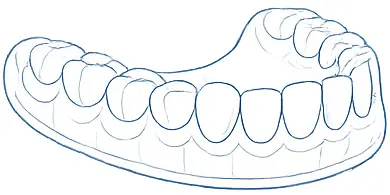
A custom retainer is used to help preserve the alignment achieved during treatment. Retainers may be removable, fixed behind the teeth, or used in combination depending on the risk of movement and the area that was corrected.
Consistent retainer use is one of the most important parts of protecting your orthodontic result. Dr. Vo will provide a wearing schedule and monitor the fit during follow-up visits. Retainers should be replaced when they become damaged, distorted, or no longer fit securely.