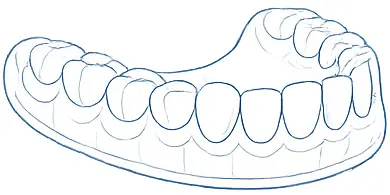
Soft-tissue lasers are designed to interact with gum tissue and other oral tissues. They may be used to remove, reshape, or refine a selected area while helping control bleeding during the procedure.
The laser can be adjusted to match the thickness and condition of the tissue. This level of control is useful when treatment involves a visible area or when the surrounding tissue should remain as undisturbed as possible.
Soft-tissue procedures may include reshaping an uneven gum margin, removing a small growth for evaluation, improving access around a tooth, or releasing a restrictive attachment. The exact application depends on the diagnosis and treatment goals.
Although laser treatment may reduce the need for sutures in selected cases, this is not guaranteed. The depth and size of the treated area determine whether additional closure or protection is needed.
Laser gum contouring can improve the visible frame around the teeth by removing or reshaping excess tissue. The procedure may be used when certain teeth appear short because their natural enamel remains partially covered.
Before contouring begins, Dr. Vo evaluates the underlying bone and the relationship between the tissue and tooth. Removing gum tissue alone may not create a stable result if bone is positioned too close to the intended margin.
The laser allows the tissue line to be refined gradually. Small adjustments can be made while the overall proportions of the smile are evaluated from tooth to tooth.
Healing is generally monitored before final veneers, crowns, or bonding are completed. This allows the gum line to settle and helps permanent restorations fit accurately against mature tissue.
Lasers may be used as one part of treatment for selected gum concerns. They can assist with removing inflamed tissue, improving access to deposits, reducing bacteria in certain areas, or reshaping tissue around a tooth.
Laser therapy does not replace a complete periodontal diagnosis. Pocket measurements, dental images, bone levels, and the amount of tartar present must still be evaluated before treatment is selected.
Scaling and root planing may remain necessary because hardened deposits must be removed from the tooth and root surfaces. Laser treatment may support the overall process but does not automatically eliminate the need for mechanical cleaning.
Patients with periodontal disease still require ongoing maintenance. A laser cannot prevent bacteria from returning when plaque control and professional follow-up are inconsistent.
A frenectomy releases or reshapes a band of tissue called a frenum. These attachments are found in several areas of the mouth, including beneath the tongue and inside the upper or lower lip.
A restrictive frenum may affect tongue movement, contribute to a space between teeth, pull on the gum tissue, or interfere with certain oral functions. Not every prominent attachment requires treatment, so evaluation is important.
Laser treatment may allow the tissue to be released with controlled cutting and limited bleeding. Depending on the location and patient, follow-up exercises or therapy may be recommended to support movement and reduce reattachment.
The procedure should be planned around function rather than appearance alone. Dr. Vo may coordinate care with another provider when speech, feeding, or muscular concerns are involved.
Restorative procedures sometimes require improved access to the edge of a cavity, fracture, crown preparation, or implant restoration. Excess or inflamed tissue can interfere with visibility and moisture control.
A dental laser may be used to remove a small amount of tissue and expose the area more clearly. This can help the dentist create accurate restorative margins and capture a detailed impression or digital scan.
Laser access may also be useful when tissue has grown around a partially erupted tooth or over a dental implant component. The treatment is customized according to the health and thickness of the tissue.
When decay or a fracture extends deeply below the gum line, a more extensive crown-lengthening procedure may be required. Laser removal of surface tissue alone may not provide enough stable access.
Laser-treated tissue may feel different from an area treated with traditional instruments, but it still requires time to heal. Mild tenderness, color changes, and sensitivity can occur while the tissue repairs itself.
Patients may be advised to avoid spicy, sharp, or very hot foods during early healing. Gentle cleaning and recommended rinses help keep the area comfortable and reduce plaque accumulation.
The laser may create a sealed surface over small blood vessels, but bleeding can still occur if the area is disturbed. Patients should avoid pulling on the tissue or repeatedly checking it with the tongue or fingers.
Follow-up care allows Dr. Vo to confirm that the tissue is healing in the intended position and that no additional treatment is needed.