
(281) 261-3332

Bring Every Detail of Your Smile into Balance

A smile makeover is a personalized cosmetic plan that combines selected treatments to improve color, shape, alignment, spacing, symmetry, and overall smile harmony. Instead of changing one tooth without considering the rest of the face, the process evaluates how the teeth, gums, lips, bite, and facial proportions work together. The final plan may involve whitening, bonding, veneers, clear aligners, gum contouring, crowns, or other services completed in a carefully coordinated sequence.

Smiling woman standing on a covered porch

Create a Smile Designed Around You What a Smile Makeover Can Address

A smile may appear unbalanced for several different reasons. Teeth may have inconsistent color, uneven lengths, worn edges, gaps, mild crowding, old dental work, or irregular gum contours. Treating only one detail can improve the smile, but coordinated planning often produces a more natural and complete result.

At Smiles of Riverstone, smile makeovers are customized for patients in Missouri City and Sugar Land who want to improve several cosmetic concerns through one organized treatment plan. The process begins with understanding which features matter most to you and how much change you want.

Dr. Jerri Vo evaluates the teeth, gums, bite, lip movement, facial proportions, and existing restorations before recommending treatment. Photographs, digital scans, and dental images may be used to document the starting point and plan potential changes.

A smile makeover is not a fixed package. One patient may benefit from whitening and bonding, while another may need Invisalign followed by veneers. A third may require gum contouring and replacement of older crowns to create better symmetry.

Oral health is addressed before elective cosmetic treatment. Cavities, gum disease, failing restorations, tooth infections, and unstable bite concerns may need to be treated first so the final cosmetic work has a healthier foundation.

Natural-looking results depend on proportion rather than absolute perfection. Small variations in shape, translucency, texture, and edge position can help the completed smile feel authentic rather than manufactured.

The plan also considers long-term maintenance. Whitening may require touch-ups, bonding may need polishing or repair, veneers and crowns may eventually require replacement, and retainers are necessary after orthodontic treatment.
Contact Us Smile Gallery

Smile design evaluates the visible teeth within the context of the lips, gums, face, and bite. The process begins with identifying the changes that would create the greatest improvement.

Photographs and digital scans can help analyze tooth proportions, symmetry, midline position, smile width, and the amount of tooth displayed.

Patients may review examples or digital previews to communicate preferences. These tools support planning but do not guarantee an exact biological result.

The final design balances personal goals with tooth health, available enamel, bite forces, and realistic material limitations.

Professional whitening may be the first cosmetic step when natural teeth appear dark or yellow. Establishing the preferred shade early helps guide later restorative color matching.

Whitening changes natural enamel but does not lighten fillings, crowns, veneers, or bonding. Existing restorations may need replacement afterward if they no longer coordinate.

Some internal stains respond incompletely to whitening and may require restorative coverage. The source of discoloration is evaluated before the treatment sequence is finalized.

Color planning also considers skin tone, lip color, age, and personal preference rather than selecting the brightest available shade automatically.

Dental bonding can repair minor chips, reshape selected teeth, and close small spaces conservatively. It is applied directly and often requires little or no enamel removal.

Veneers provide broader control over color, shape, length, and symmetry across several visible teeth. They may offer greater color stability than composite bonding.

Crowns are generally used when a tooth also needs significant structural protection because of decay, fractures, large fillings, or root canal treatment.

Dr. Vo selects the most conservative restoration that can achieve the intended result without sacrificing strength or long-term predictability.

Crooked teeth, crowding, rotations, and uneven spaces can influence smile appearance and the way restorative treatment is planned.

Clear aligners or braces may be used before bonding, veneers, or implants to move teeth into more favorable positions.

Orthodontic treatment can reduce the amount of enamel preparation needed by correcting alignment rather than disguising it with thicker restorations.

Retainers are required after movement to protect the completed position and maintain the spacing needed for cosmetic restorations.

The gums frame the teeth and influence how long, wide, and symmetrical they appear. Uneven tissue can make properly sized teeth look inconsistent.

Gum contouring may reveal more natural enamel or establish a smoother line before veneers and crowns are placed.

Recession, inflammation, and periodontal disease require a different approach. Removing tissue is not appropriate when the concern involves loss of gum coverage.

Healing time must be included in the treatment sequence so final restorations are designed against stable tissue.

A smile makeover can be completed in phases when several procedures are involved. Treatment is sequenced according to oral health, healing, function, and cosmetic priorities.

Whitening and orthodontics may occur before final restorations, while gum treatment may need time to heal before veneers or crowns are created.

Phased care can also make scheduling and financial planning more manageable. Temporary improvements may be possible while the complete plan progresses.

Dr. Vo explains which treatments depend on one another so changes are not completed in an order that compromises the final result.

Benefits of a Smile Makeover

Digital illustration of a balanced cosmetic smile

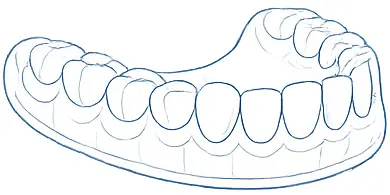
A smile makeover coordinates multiple cosmetic details so each change supports the complete result rather than competing with neighboring teeth.

  • Addresses several concerns through one organized treatment plan
  • Improves tooth color with whitening or restorative materials
  • Refines shape and symmetry through bonding, veneers, or crowns
  • Corrects spacing and alignment with orthodontic treatment when appropriate
  • Balances the gum line around visible teeth
  • Customizes the final result according to facial features and personal goals

Dr. Vo designs the makeover around oral health, function, preservation of tooth structure, and the amount of cosmetic change you prefer.

The Smile Makeover Process

A smile makeover moves from evaluation and design to health treatment, cosmetic procedures, and long-term maintenance.

  1. Consultation and Smile Evaluation

    Your concerns, goals, teeth, gums, bite, and facial proportions are reviewed.

  2. Digital Planning

    Photographs, scans, and necessary dental images support treatment selection and sequencing.

  3. Health and Cosmetic Treatment

    Necessary health concerns are addressed before cosmetic procedures are completed in the planned order.

  4. Final Refinement and Maintenance

    Color, shape, bite, and tissue contours are reviewed before a personalized maintenance plan begins.

Dentist planning a personalized smile makeover

Maintaining Your Smile Makeover

Each treatment included in the makeover has its own maintenance needs. Consistent daily care protects the natural teeth, gums, and restorations supporting the result.

  • Brush and floss every day around natural teeth and restorations
  • Use a night guard when grinding or clenching threatens cosmetic work
  • Limit staining habits after whitening and bonding
  • Wear retainers consistently after orthodontic treatment
  • Avoid chewing hard objects that may chip veneers or bonding
  • Attend routine examinations to monitor the complete smile

Minor maintenance completed early may prevent more extensive repair later. Polishing, whitening touch-ups, retainer replacement, and bite adjustments may all be part of long-term care.

Is a Smile Makeover Right for You?

A smile makeover may be appropriate when you want to improve several cosmetic details and would benefit from coordinated treatment rather than one isolated procedure.

Healthy or treatable teeth and gums are important before cosmetic care begins. Active decay, infection, gum disease, and unstable bite concerns should be managed first.

Dr. Vo will explain conservative and comprehensive options. Some patients can achieve their goals with whitening and bonding, while others may benefit from orthodontics, veneers, crowns, or tissue treatment.

The best plan reflects your priorities, budget, timeline, maintenance expectations, and willingness to complete irreversible procedures when necessary. A makeover should feel personal rather than based on a standard image of a perfect smile.

Smiles of Riverstone

Modern Dentistry

At Smiles of Riverstone, every visit is centered around your comfort, goals, and long-term oral health. Our team combines personalized attention with modern dental technology to make each appointment feel clear, efficient, and comfortable. From preventive care to more advanced treatment, we take the time to explain your options, answer your questions, and create a plan designed specifically for your smile.

About Our Practice

Schedule a Consultation

Patient Reviews

We want every visit to feel comfortable, straightforward, and centered around you. At Smiles of Riverstone, nothing means more to us than hearing about the experiences of the patients we care for. From routine visits to unexpected dental concerns, our team takes the time to listen, explain your options, and make each appointment as easy as possible.

More Reviews