(281) 261-3332

Refine the Shape, Color, and Balance of Your Smile

Dental veneers are thin, customized restorations designed to improve the visible surfaces of selected teeth. By changing details such as color, length, width, symmetry, and proportion, veneers can create a more balanced smile while maintaining a natural relationship with the lips and surrounding facial features. Every veneer treatment plan is developed individually so the result complements the patient rather than producing a smile that appears overly uniform or disconnected from the rest of the face.

Smiling man stretching outdoors

Transform Visible Imperfections What Dental Veneers Can Address

The appearance of a smile depends on how several details work together. One tooth may appear shorter than its neighbors, multiple teeth may have discoloration that whitening cannot fully correct, or worn edges may create an uneven smile line. Dental veneers provide a way to address several cosmetic concerns at the same time by placing custom restorations over the front surfaces of selected teeth.

At Smiles of Riverstone, dental veneers are designed for patients in Missouri City and Sugar Land who want to improve visible tooth color, shape, spacing, or symmetry. Veneers may be made from porcelain, ceramic, or another carefully selected material. Each restoration is created to fit the individual tooth and coordinate with the complete smile.

Dr. Jerri Vo begins by evaluating the health of the teeth and gums, the position of the bite, the amount of enamel available, and the cosmetic changes you would like to achieve. Veneers are not simply selected from a standard set of shapes. Tooth proportions, facial structure, gum contours, lip movement, and the amount of tooth displayed while speaking all influence the design.

Veneers may be considered for teeth with persistent discoloration, mild spacing, small chips, irregular contours, worn edges, or differences in size. They can also help create greater consistency across several visible teeth when bonding alone would require extensive maintenance or provide less predictable color stability.

Because veneers cover the front surface of a tooth, some enamel preparation may be required. The amount varies according to the starting tooth position, material thickness, desired change, and whether additional volume would make the tooth appear bulky. Careful planning helps preserve healthy structure while creating enough room for a strong and natural-looking restoration.

Veneers are cosmetic restorations, but function remains essential. The completed teeth must fit comfortably within the bite and withstand normal speaking and chewing. Patients who grind or clench may need a protective appliance to reduce the risk of chipping or fracture.

Contact Us Smile Gallery

Porcelain veneers are thin restorations bonded to the visible surfaces of teeth. Porcelain is often selected because it can reproduce qualities found in natural enamel, including translucency, brightness, and subtle variation in color.

The restorations are created from detailed impressions or digital scans after the teeth have been prepared. A dental laboratory then designs each veneer according to the planned shape, length, shade, and relationship with neighboring teeth.

Porcelain is resistant to many common surface stains, but it is not indestructible. Excessive bite pressure, grinding, chewing ice, or using teeth as tools can chip or fracture the material.

The success of porcelain veneers depends on more than appearance. Accurate margins, healthy gum tissue, stable bonding, and balanced bite contacts all contribute to long-term function.

Some tooth discoloration responds well to professional whitening, while other stains remain visible because they originate deeper within the tooth. Developmental color differences, previous trauma, certain medications, and irregular enamel formation can all affect the final shade.

Veneers can conceal discoloration by covering the front surface with a carefully selected restorative material. The design must provide enough opacity to control the underlying color without creating a flat or artificial appearance.

Shade planning considers the neighboring teeth and the overall brightness desired. In some cases, whitening is completed before veneer treatment so untreated teeth can be brought closer to the intended final color.

Dr. Vo may recommend treating several visible teeth when covering one dark tooth alone would create an uneven transition. The exact approach depends on the location and severity of the discoloration.

Chips and worn edges can disrupt the smooth curve of the smile. When several teeth have become shortened or irregular, veneers may rebuild their visible length and restore more consistent proportions.

The source of the wear must be considered before treatment. Grinding, clenching, an uneven bite, acid exposure, and certain habits can continue to damage both natural teeth and new restorations.

Veneers can strengthen the visible enamel surface, but they do not make a tooth immune to future damage. The underlying tooth and bonded restoration still depend on controlled bite forces.

When wear affects many teeth or has changed the overall bite, a more comprehensive restorative plan may be required instead of treating only the front surfaces.

Small gaps may sometimes be reduced by designing veneers that slightly increase the width of neighboring teeth. This approach can create a more continuous smile without physically moving the teeth.

Successful space closure depends on maintaining realistic tooth proportions. Closing a large opening with veneers alone could make the teeth appear too wide or create difficult-to-clean contours.

Dr. Vo evaluates the size of the gap, gum position, tooth width, root alignment, and complete smile before recommending treatment. Orthodontic movement may provide a healthier or more balanced result when spacing is significant.

When veneers are appropriate, the changes are distributed carefully across one or more teeth so the final shapes appear intentional and proportionate.

Dental bonding and veneers can address some of the same cosmetic concerns, but they use different materials and treatment processes. Bonding is shaped directly on the tooth using composite resin, while veneers are custom restorations generally created outside the mouth.

Bonding may require less enamel preparation and can often be completed in one visit. It may be an excellent option for limited corrections, small chips, or patients who want a conservative starting point.

Veneers may provide greater color stability and more comprehensive control when changing several teeth. Porcelain can also maintain its polish and appearance longer than composite in many situations.

The appropriate choice depends on the number of teeth involved, amount of change desired, available enamel, bite, maintenance expectations, and budget.

Older veneers may eventually require replacement because of chipping, wear, gum recession, changes in surrounding teeth, or deterioration of the bond. A restoration may also appear different after natural teeth have shifted or changed color.

Replacing veneers requires careful removal so the underlying tooth can be evaluated. The amount of remaining enamel, presence of decay, and condition of previous preparation influence the new treatment plan.

A single veneer can sometimes be replaced, but matching an older restoration may be challenging because materials and surrounding teeth change over time.

Dr. Vo will determine whether one veneer can be updated or whether treating additional teeth would create a more consistent result.

Benefits of Dental Veneers

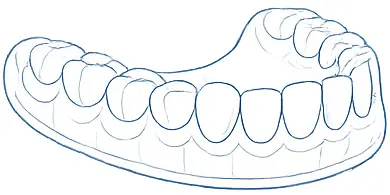
Digital illustration of a balanced smile

Dental veneers can address several visible concerns through one coordinated treatment plan. Each restoration is customized to enhance the smile without losing the natural details that make it individual.

  • Improves tooth color when certain stains do not respond to whitening
  • Refines tooth shape for more consistent proportions and contours
  • Restores worn edges to rebuild visible length and symmetry
  • Reduces small spaces when cosmetic closure is appropriate
  • Creates a coordinated smile across multiple visible teeth
  • Provides lasting polish with carefully selected ceramic materials

Dr. Vo plans each veneer according to the tooth beneath it, the complete smile, the gum line, and the functional demands of the bite.

The Dental Veneer Process

Veneer treatment is completed through a detailed planning and fabrication process designed to create accurate fit, balanced proportions, and a natural-looking finish.

  1. Cosmetic Evaluation

    Your teeth, gums, bite, facial proportions, and treatment goals are evaluated to determine whether veneers are appropriate.

  2. Smile Design and Preparation

    The intended changes are planned, and selected teeth are prepared conservatively to create space for the restorations.

  3. Digital Impressions and Temporaries

    Detailed records are taken, and temporary veneers may protect the teeth and provide a preview during fabrication.

  4. Final Bonding

    Each veneer is evaluated for fit, color, shape, and bite before being bonded securely and polished.

Dentist discussing porcelain veneers with a patient

Caring for Dental Veneers

Veneers can be cared for much like natural teeth. Daily cleaning protects the gum line and the tooth structure beneath each restoration, while thoughtful habits can reduce unnecessary stress on the material.

  • Brush twice daily with a nonabrasive toothpaste and soft toothbrush
  • Floss around every veneer to protect the gum line and margins
  • Avoid chewing hard objects such as ice, pens, or fingernails
  • Do not use teeth as tools to tear packaging or open containers
  • Wear a protective guard if grinding or clenching is present
  • Attend routine examinations to monitor fit, bite, and gum health

Contact the office if a veneer feels loose, develops a rough edge, chips, or changes the way the teeth come together.

Are Dental Veneers Right for You?

Veneers may be appropriate for patients with healthy or treatable teeth and gums who want to improve visible discoloration, shape, spacing, wear, or symmetry. Sufficient enamel is generally important because the restoration bonds most predictably to enamel.

Active cavities, significant gum inflammation, untreated grinding, or severe bite imbalance may need to be addressed before cosmetic treatment begins. Teeth with extensive structural damage may require crowns instead of veneers.

Dr. Vo will compare veneers with bonding, whitening, orthodontics, crowns, and other options. The recommendation will consider the amount of change desired, preservation of tooth structure, durability, treatment time, maintenance, and personal preferences.

Veneers are an irreversible treatment when enamel preparation is required. Understanding the long-term commitment and future replacement needs is an important part of the planning process.

Smiles of Riverstone

Modern Dentistry

At Smiles of Riverstone, every visit is centered around your comfort, goals, and long-term oral health. Our team combines personalized attention with modern dental technology to make each appointment feel clear, efficient, and comfortable. From preventive care to more advanced treatment, we take the time to explain your options, answer your questions, and create a plan designed specifically for your smile.

About Our Practice

Schedule a Consultation

Patient Reviews

We want every visit to feel comfortable, straightforward, and centered around you. At Smiles of Riverstone, nothing means more to us than hearing about the experiences of the patients we care for. From routine visits to unexpected dental concerns, our team takes the time to listen, explain your options, and make each appointment as easy as possible.

More Reviews