Tooth decay can often be treated with a filling, crown, or root canal when sufficient healthy structure remains. Extraction becomes more likely when decay extends deeply beneath the gum or destroys the areas needed to support a restoration.
A tooth may look relatively intact from the surface while extensive damage exists underneath an old filling or crown. Dental images and clinical examination help reveal the true amount of remaining structure.
Restoring a tooth that does not have an adequate foundation may lead to repeated breakage, leakage, or infection. Removal may provide a more predictable outcome when additional treatment cannot create dependable support.
Dr. Vo will explain which restorative options were considered and why extraction is recommended when the tooth cannot be maintained successfully.
A fracture may affect the visible crown, extend beneath the gum, or continue into the root. The location and direction of the crack strongly influence whether the tooth can be saved.
A crown may protect a fracture limited to the upper portion of a tooth. Root canal treatment may also be needed when the internal nerve tissue has been damaged.
Vertical root fractures and cracks extending deeply below the gum often have a poor restorative outlook because bacteria can continue entering the fracture line.
Extraction removes the damaged tooth and allows the surrounding area to heal. The replacement plan may begin immediately or after healing depending on infection, bone, and the selected treatment.
Infection can develop when bacteria reach the pulp inside a tooth. Root canal treatment may preserve the tooth by cleaning and sealing the internal canal system.
Extraction may be recommended when the tooth is too damaged for root canal treatment, the root is fractured, or previous treatment cannot resolve the infection predictably.
Antibiotics may help control spreading infection in selected cases, but medication alone does not remove the infected tooth or internal tissue causing the problem.
Facial swelling, fever, difficulty swallowing, or difficulty breathing requires urgent evaluation because dental infections can spread into surrounding spaces.
Advanced periodontal disease damages the bone and connective tissues that hold teeth in place. As support is lost, teeth may shift, become mobile, or cause discomfort during chewing.
Periodontal treatment can preserve many teeth when enough support remains and disease can be controlled. Extraction may be necessary when mobility is severe or infection cannot be managed around the tooth.
The condition of neighboring teeth and the overall restorative plan are considered before removal. Extracting one tooth may affect the design of a bridge, implant restoration, or removable prosthesis.
Gum disease must remain controlled after extraction because the same bacterial process can affect remaining teeth and dental implants.
A simple extraction is generally used when the tooth is visible and can be removed without opening the surrounding tissue extensively. The tooth is loosened carefully and lifted from the socket.
A surgical extraction may involve a tooth broken near the gum, an impacted tooth, curved roots, or dense surrounding bone. A small incision may be made, and the tooth may be divided into sections for controlled removal.
The type of procedure is determined by dental images, tooth position, root anatomy, and clinical access. A procedure that appears simple can occasionally become more complex once treatment begins.
Local anesthetic is used to numb the area. Sedation may be considered for appropriate patients based on anxiety, medical history, and treatment complexity.
Replacing an extracted tooth can restore chewing support, improve appearance, and help maintain the position of neighboring teeth. The need for replacement depends on the location and complete bite.
A dental implant replaces the missing root and supports a crown after the area has healed or the implant has integrated. Some implants can be placed at the time of extraction when conditions are favorable.
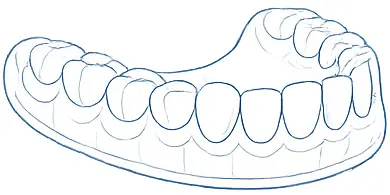
A dental bridge uses neighboring teeth or implants to support the replacement tooth. A removable partial denture can replace one or several missing teeth without remaining permanently attached.
Dr. Vo will discuss timing, bone grafting, healing, treatment length, maintenance, and cost so the extraction fits within a complete long-term plan.